Online fraud cases are increasing every year. People lose money, personal data, and even digital identity because of simple mistakes.
Many users believe online fraud only happens to careless people. In reality, even smart users can become victims without proper digital awareness.
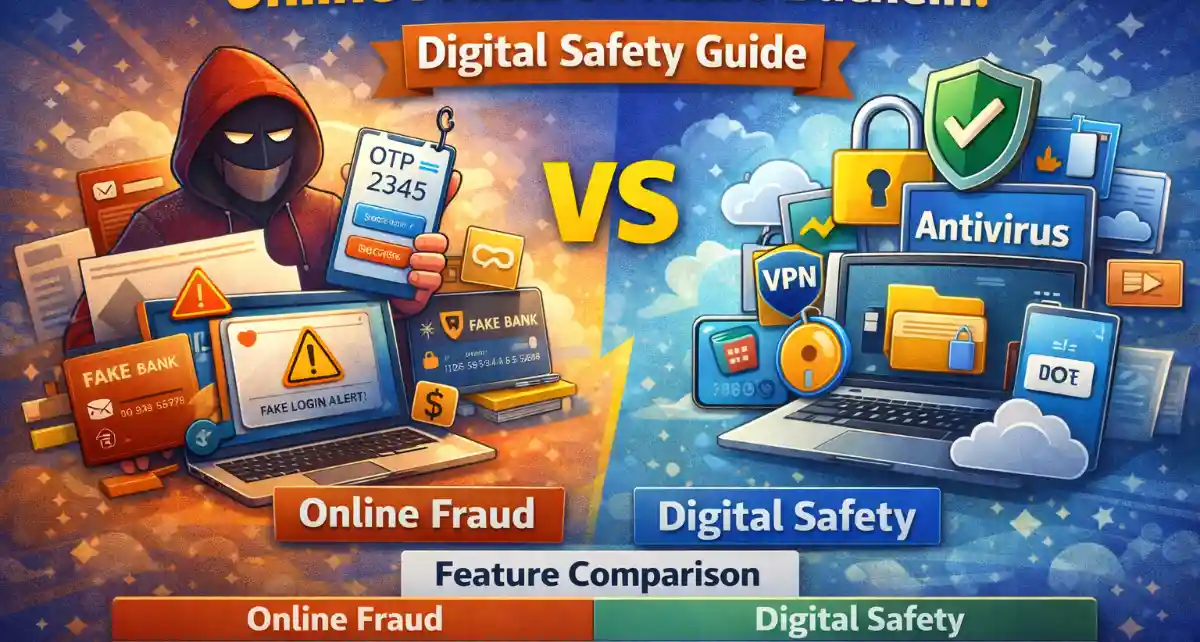
This detailed Digital Safety Guide will help you understand online fraud, common scams, and practical steps to protect yourself. The article is written in simple English and focuses on online security, data privacy, and safe digital habits.
What Is Online Fraud and Why It Is Growing
Online fraud is any illegal activity done through the internet to steal money, data, or identity. Fraudsters use emails, fake websites, social media, and apps.
The rise of cloud computing, online payments, and SaaS platforms has made digital life easier. At the same time, it has increased cybersecurity risks.
Common reasons for online fraud growth include:
- Increased online transactions
- Low digital awareness
- Weak passwords
- Unsafe public Wi-Fi usage
Common Types of Online Fraud You Should Know
Understanding fraud types is the first step toward protection.
Common Online Fraud Types Table
| Fraud Type | Description |
|---|---|
| Phishing | Fake emails or messages |
| Online shopping scams | Fake websites or sellers |
| Banking fraud | Fake calls or SMS |
| Identity theft | Stealing personal data |
| Social media scams | Fake profiles and links |
Knowing these types helps you stay alert.
How Phishing Scams Work
Phishing is one of the most common online fraud methods. Fraudsters pretend to be banks, companies, or trusted services.
They send emails or messages asking you to click links or share personal details.
Warning signs of phishing include:
- Urgent messages
- Spelling mistakes
- Unknown sender addresses
- Suspicious links
Never share OTPs, passwords, or banking details online.
Online Shopping Fraud: How to Stay Safe
Online shopping fraud happens through fake websites, fake discounts, or duplicate apps.
Fraudsters often attract users with very low prices.
Online Shopping Safety Tips
- Shop only on trusted platforms
- Check website URL carefully
- Avoid deals that look too good
- Use secure payment methods
Using trusted web hosting services and verified platforms reduces risk.
Banking and Payment App Fraud Explained
Fraudsters often target users of UPI, debit cards, and mobile banking.
They may call pretending to be bank staff and ask for OTPs.
Banking Fraud Prevention Table
| Do’s | Don’ts |
|---|---|
| Enable transaction alerts | Share OTPs |
| Use official apps only | Click unknown links |
| Check account regularly | Trust unknown callers |
Banks never ask for passwords or OTPs.
Role of Cybersecurity in Fraud Prevention
Cybersecurity tools protect your devices and data from online threats.
Using antivirus software, firewalls, and secure browsers improves online security.
Cybersecurity is essential for people using digital marketing tools, SaaS platforms, and cloud-based services.
Basic cybersecurity habits include:
- Regular software updates
- Antivirus installation
- Secure browsers
Importance of Strong Passwords and Authentication
Weak passwords are a major cause of online fraud.
Strong passwords protect accounts from unauthorized access.
Password Best Practices Table
| Practice | Benefit |
|---|---|
| Use unique passwords | Reduces breach risk |
| Enable two-factor login | Extra security |
| Avoid common words | Harder to guess |
| Use password managers | Secure storage |
Good password habits protect data privacy.
How VPN Software Helps in Online Safety
VPN software encrypts your internet connection. It hides your IP address and protects data.
VPNs are especially useful on public Wi-Fi networks.
VPN Benefits Table
| Benefit | Description |
|---|---|
| Data encryption | Prevents spying |
| IP hiding | Improves privacy |
| Secure browsing | Safer online activity |
VPN software is recommended for frequent travelers and remote workers.
Social Media Fraud and How to Avoid It
Social media scams are increasing rapidly. Fake giveaways and impersonation accounts are common.
Fraudsters send links through messages or comments.
Social Media Safety Tips
- Do not click unknown links
- Verify profiles before trusting
- Avoid sharing personal information
- Use privacy settings properly
Online security depends on cautious behavior.
AI Tools and Online Fraud Detection
AI tools are now used to detect suspicious activities.
Banks and platforms use AI to monitor unusual transactions and login attempts.
AI tools help:
- Detect fraud patterns
- Block suspicious logins
- Protect cloud-based systems
AI improves security but user awareness is still important.
Cloud Computing and Data Protection
Cloud computing stores data online instead of local devices.
Using secure cloud storage services reduces data loss risk.
Cloud Safety Best Practices Table
| Practice | Benefit |
|---|---|
| Enable encryption | Data protection |
| Use strong passwords | Account safety |
| Regular backups | Prevent data loss |
Cloud safety is essential for professionals and students.
Online Fraud Related to Jobs and Digital Marketing
Fake job offers and online work scams are common.
Fraudsters ask for registration fees or personal details.
Job Scam Warning Signs
- High income promises
- No company background
- Requests for upfront fees
- No official email domain
Verify companies before sharing details.
Best Software Solutions for Online Safety
Using reliable software solutions improves digital safety.
These tools help protect devices and data.
Online Safety Software Comparison Table
| Software Type | Purpose |
|---|---|
| Antivirus | Malware protection |
| VPN software | Secure browsing |
| Password managers | Credential safety |
| Firewall tools | Network security |
Using a combination of tools provides better protection.
How to Identify Fake Websites and Links
Fake websites look real but steal data.
Always check URLs before entering information.
Fake Website Detection Tips
- Check HTTPS and lock symbol
- Look for spelling errors
- Verify domain names
- Avoid unknown downloads
These steps protect against fraud.
What To Do If You Become a Victim of Online Fraud
Immediate action can reduce losses.
Steps to Take After Fraud
- Inform your bank immediately
- Block affected accounts
- Change all passwords
- Report to cybercrime authorities
Quick response improves recovery chances.
Online Fraud Laws and Reporting in India
India has cybercrime reporting portals for fraud victims.
Reporting helps authorities track criminals and prevent future scams.
Keep transaction records and screenshots as evidence.
Legal action increases awareness and accountability.
Common Mistakes That Increase Fraud Risk
Many users unknowingly increase their risk.
Common mistakes include:
- Sharing OTPs
- Using weak passwords
- Ignoring software updates
- Clicking unknown links
Avoiding these mistakes improves digital safety.
Final Summary: Online Fraud Se Kaise Bachein
Online fraud is a serious threat in today’s digital world. Awareness and caution are the strongest defenses.
Using cybersecurity tools, VPN software, and strong passwords reduces risks significantly.
Safe habits, combined with trusted software solutions, help protect your money, data, and identity.
FAQs About Online Fraud and Digital Safety
Many people ask whether online fraud can happen even with antivirus software. Yes, antivirus helps but cannot protect against careless actions like sharing OTPs or clicking fake links.
Another common question is whether VPN software is necessary for normal users. VPNs are highly recommended for public Wi-Fi and online banking activities.
Users also ask how to identify fake calls from banks. Banks never ask for passwords or OTPs over calls or messages.
Some people wonder if cloud storage is safe. Cloud computing is safe when proper security settings and strong passwords are used.
Finally, many ask how often passwords should be changed. Passwords should be updated regularly, especially for banking and important accounts.
Conclusion:
Online fraud can be prevented with awareness, smart habits, and proper tools. Staying informed and cautious is the best way to enjoy a safe and secure digital life.